
Why You Can't Create After 2pm (And Why It Might Be Breakfast)
Oct 22, 2026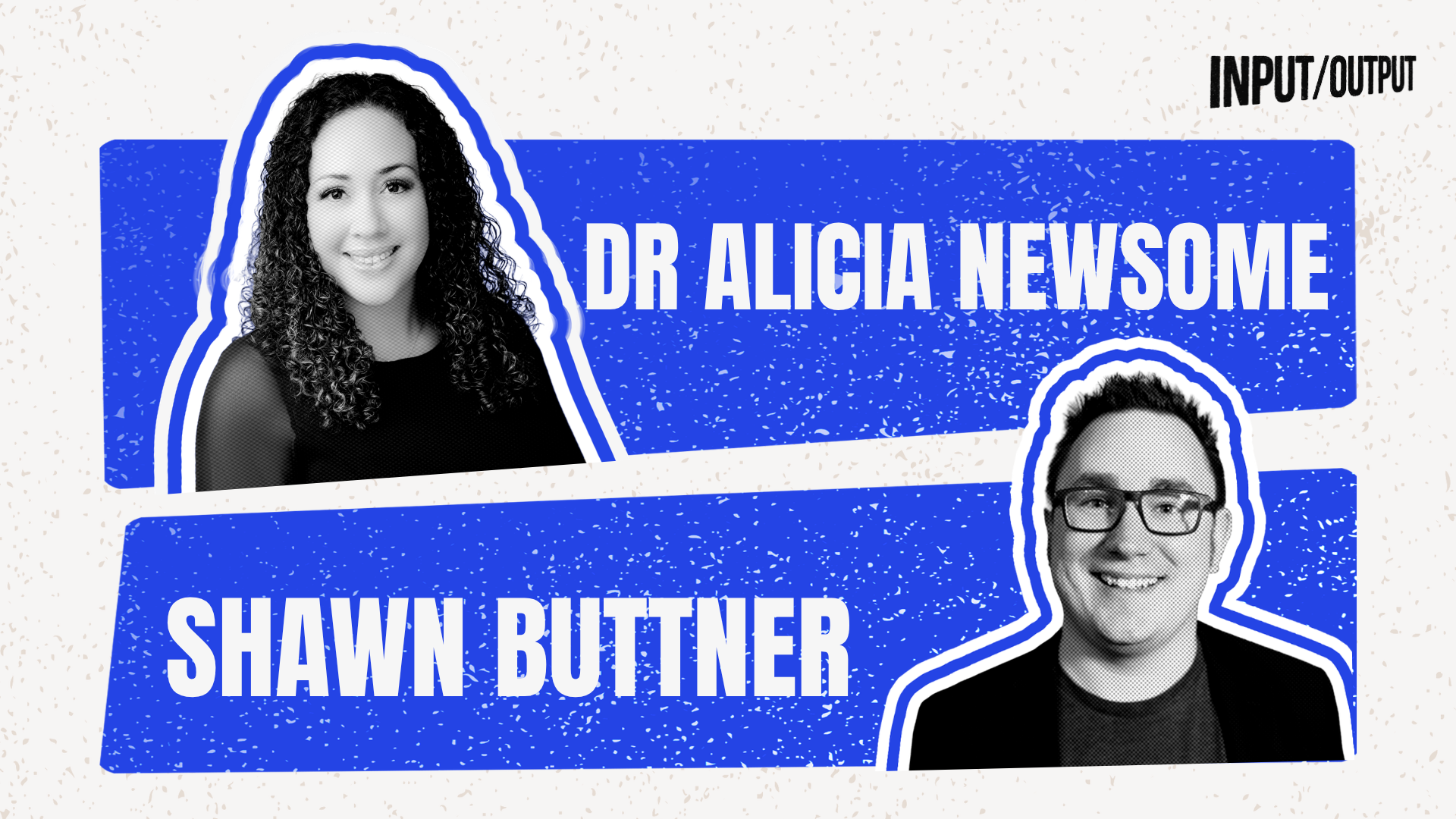
You know the 2pm wall.
The morning started with a good idea. You could see exactly where it fit, and you told yourself you'd work on it after lunch, once a few things were off the list. Then 2:00 rolls around. The brain fog comes in. Maybe it's the chicken from lunch, but you're sleepy, and focusing feels like pushing a car uphill. You reheat the coffee. You open the doc and read your notes, and they look like a stranger wrote them. Twenty minutes later you close the laptop and promise yourself you'll do it tomorrow, when you're fresh.
That's me on a bad day.
For a long time, I wasn't curious why this happened to me ever so often. I was treating a physical problem like a character flaw.
Your body is upstream of your workflow
Here's how I think about it now. Your workflow can be perfectly designed: the right projects, the right calendar, the right tools. None of it matters if you run out of gas when it's time to do the work. The work just doesn't get done.
If your ability to make things depends on having a good day, you'll publish about a third of your good ideas. The rest keep getting rescheduled to the other side of whatever wiped you out.
That's why this belongs on a show about creative work. You are the input into your creator system, and the input has a body. High-performing creators know how to manage their energy, either to push through the wall or to keep it from showing up at all. And it starts earlier in the day than most of us think.
The doctor who found her own 2pm wall
Dr. Alicia Newsome is a functional medicine physician and founder of the Body Wellness Institute. Her specialty is finding out why capable people are exhausted, usually after their regular checkup said everything looked normal.
She started where a lot of us are. She was running a wellness practice, tired all day, grabbing a second coffee around 2:00 to push through. Her kids were little. She'd see patients, sit in traffic, get the babies fed and bathed and into bed, because she needed to get into bed. And it hit her ability to focus, to create content, and to put herself out there.
Then a functional medicine doctor ran the labs on her and found out what was actually going on. Now that's her work.
Four things draining your energy
When I asked Alicia what's behind that 2pm crash, she named four places she looks.
1. Blood sugar: dessert for breakfast
This is the big one, and the cheapest to fix. Pancakes with syrup. French toast. A muffin. A coffee loaded with sugar. Alicia calls it dessert for breakfast. It spikes your blood sugar first thing, then it crashes, and you ride that rollercoaster the rest of the day, reaching for more coffee or a sugary snack to climb back up.
2. Toxins
Biotoxins like mold and parasites, and environmental ones like heavy metals or what's in your skincare and cleaning products. Some of them affect your ability to focus. You sit down to make the reel and you can't concentrate long enough to finish it.
3. Deficiencies
Not enough protein, good fats, and the vitamins and minerals your body needs to make energy. And sleep, which she called one of the most underrated free things out there. We put our kids to bed on a routine every night, then tell ourselves we can push through.
4. Gut health
Alicia pointed out how much the gut talks to the brain. If your digestion is off, that shows up in how you think and function all day.
Breakfast is the smallest of the four, and it's the one you can change tomorrow morning at almost no cost. The other three are worth finding out about, and that usually takes testing, not guessing.
Low energy is a check engine light
My favorite moment in the conversation was Alicia's mechanic story.
Your check engine light comes on, so you take the car in. The mechanic listens, nods, takes notes, then reaches into his pocket and hands you a sticker to put over the light. You'd never accept that. You'd expect him to open the hood and find out why it's on.
"Low energy, that's a check engine light," she said. Digestion issues, headaches, feeling like every little thing stresses you out: check engine lights. Her point was to work with someone who looks under the hood instead of handing you a sticker.
Then she turned it on coffee. When we're tired and reach for another cup, we're covering the check engine light. The body is telling us something, and we're forcing it to stay on.
I love coffee, so this one hit home. On days I wait about an hour and a half after waking up before my first cup, I'm less anxious all day. And every so often I quit for two weeks. The first week is terrible. The second week I realize how jittery I'd been. And the first cup back is one of the best cups of coffee I'll ever have, because I'm not numb to it anymore.
What to change tomorrow
You don't need a massive routine. Alicia was clear about that. Start with the cheapest lever:
- Eat a savory breakfast. Protein, good fats, some fiber. Hers that morning was eggs with cheese, sourdough, and breakfast meat. Some days it's chicken, rice, beans, and veggies.
- Start with water. We wake up dehydrated. She likes a warm glass of water with half a lemon squeezed in, before anything else.
- Give coffee some room. Wait a while before the first cup, or try half decaf, and notice how you feel.
Then, if you want more, she shared the small routines that keep her energy steady. A few minutes each morning writing three to five things she's grateful for, actually feeling each one, then two goals for the day. A five-minute brain dump at night so her head is clear for sleep. And a transition routine between work and home, because she and her husband both work from home. That one lands at our house. My wife sometimes works from home too, and without a moment to switch off, a hard day walks straight into the evening with us.
Your turn
Think about your last few afternoons.
- What time does your wall usually hit?
- What did you eat that morning, and what did you have for lunch?
- What's your check engine light: the fog, the second coffee, the craving at 3:00?
- What would you finally finish if 2:00 never took your afternoon again?
Pick one thing to change tomorrow morning and watch what happens to your afternoon. Your workflow can only run on the energy you bring to it.
This is general information from our conversation, not medical advice. Talk to your own doctor about what's going on with your body.
About Dr. Alicia Newsome. Alicia is a functional medicine physician and founder of the Body Wellness Institute. Her book is Worthy of Rest: For the Woman Who's Tired of Being the Strong One. Find her at dralicianewsome.com, or get a signed copy of Worthy of Rest.
Listen or watch the full conversation: Listen · Apple Podcasts · Spotify · YouTube
More on Alicia: her Input/Output guest page