
What to Look For Before You Sign a Brand Deal Contract
Oct 30, 2026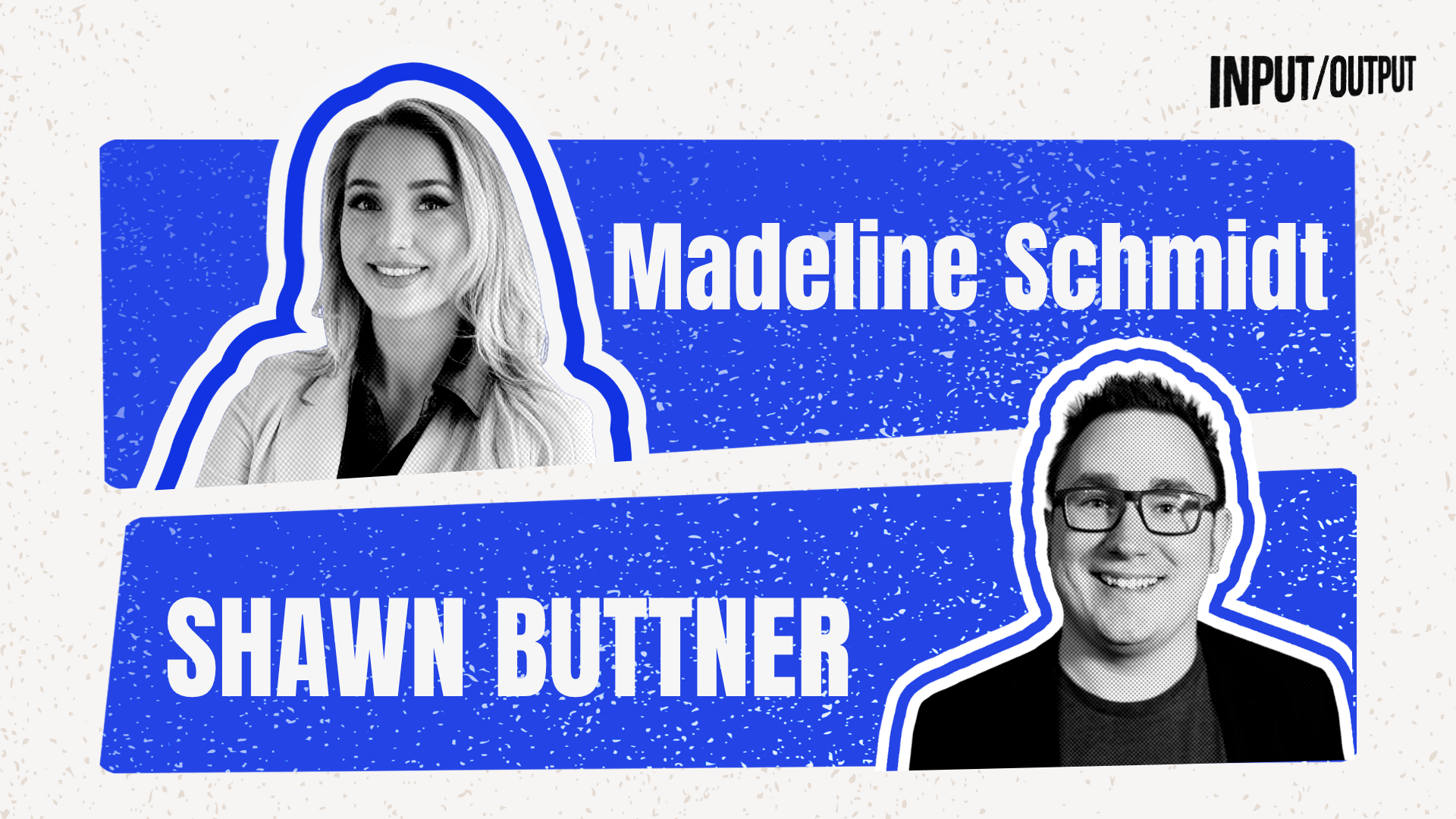
The email popped up in the middle of a workday. I was at my desk, half inside something else, and it was short. Almost nothing in it. An AI company wanted complete access to all the raw audio from my podcast, for unlimited use, however they wanted to use it.
I stared at it for a while. Then I went looking for the company, trying to figure out what they did. The email was vague, so I dug until I found the terms on their website. Those terms contradicted what the email said. That was my first alarm.
And then came that weird pit in my stomach. Part of me was thinking, this could be extra money for something I already do and love. Am I leaving money on the table? The other part was asking a question I couldn't answer: if I say yes, how do I undo it?
Nothing I read told me. So I stopped.
They didn't want my audio. They wanted me.
Here's what I keep coming back to. General information is cheap now. Any model can produce a decent explanation of almost anything, and it doesn't matter who's at the controls. What still has value is the person behind it: your voice, your face, your stories, the way you put ideas together.
That's exactly what the contracts are reaching for. The company didn't want "podcast audio." It wanted every raw hour of one person thinking out loud. It wanted me as training data.
The thing worth protecting is the thing that makes you worth hearing.
Experts get the same contract
When people hear "brand deal contract," they picture influencers. But if you're an expert who creates (a coach, a consultant, a therapist, an attorney, a teacher), the same contract keeps showing up in different wrappers:
- A brand that wants you in a campaign.
- A platform that wants to license your course or your talks.
- A request to use your recordings, your writing, or your name.
- An AI company that wants your archive.
Different offer, same question underneath: what are you handing over, and for how long?
Three things to find before you sign
I asked entertainment attorney Madeline Schmidt about this on Input/Output. She represents creators and talent, and she gave me the simplest gut check I've heard:
"Before signing anything, I always say find these three things. Number one, how long can they use your content and/or your likeness? Number two, where can they use it? And number three, when do you get paid?"
- How long? The term. Is there an end date for using your content and your likeness?
- Where? The channels and the territory. Their social accounts? Paid ads? Worldwide?
- When do you get paid? A real date or trigger, written down, that doesn't depend only on their approval.
Her rule: if you can't find all three in the contract, don't sign it yet.
Use it to start the conversation with your lawyer, or to spot a contract that needs one.
What does likeness mean in a brand deal contract?
This is the part that surprised me most. A lot of creators cap how long a brand can use the video they made and stop there. But your likeness is its own right, and Madeline defines it broadly: your name, image, voice, biographical material, really any depiction of you.
So you can limit the content and still leave language that lets the brand keep using you in their emails, promotions, and marketing after the campaign ends. Same deal, two different rights. Check both.
And her hardest line, which I've adopted as mine: any unlimited usage is a no.
One more that catches experts who hire help. If an editor, a VA, or a photographer makes something for you without a work-made-for-hire clause in their agreement, they may own it. You paid for it. They might still hold the rights.
What I'd do with that email now
I'm not a lawyer. I understand the technical side of AI training, but the contract side is not my world. So here's what I'd do today, and what I'd bring to a contract lawyer before signing anything like it:
- Run Madeline's three. How long, where, and when I get paid.
- Ask how the likeness is capped. The audio files, and also my voice, my name, my way of talking.
- Ask what happens when I stop. If my audio trains a model and I end the license, what happens to what the model already learned? How does their data change?
That third question is the one that stopped me the first time, and it's the one most of these offers don't answer. A brand campaign can end. Some uses are much harder to take back. If I can't see how to get out, I'm not ready to get in.
None of this is legal advice; it's the list I'd want in my hand before talking to someone whose job is legal advice.
Clarity comes before the contract
My favorite answer from Madeline came from upstream of the contract. When she takes on a client, she asks where they want to be in five, ten, twenty years. Do you want to launch a product? Write a book? Speak? Build a practice that doesn't need you on camera?
She negotiates from that answer. A deal that fits where you're headed is worth signing. A deal that quietly sells off the thing you'll need later isn't, no matter how good the check looks today.
That's the whole premise of my show. You're the input. Get clear on who you are and where you're going, and the decisions downstream, including what you sign, get a lot easier. As Madeline put it: if you're making money from your face or your voice, you're an entertainer, and the law already has a playbook for that.
Your turn
Pull up the last agreement you signed, or the offer sitting in your inbox right now.
- Can you find all three: how long, where, and when you get paid?
- Is your likeness capped, or only your content?
- If you wanted out, could you get out?
- Does this deal fit where you want to be in five years?
If any answer is "I don't know," that's your cue to slow down and bring in someone who does.
About Madeline Schmidt. Madeline is a social media and entertainment attorney based in New York. She represents influencers, media personalities, and digital-forward talent agencies, with a focus on brand deals, contract disputes, IP protection, and crisis management in the creator economy. Find her at madelineschmidtlaw.com and @legaliista.
Listen or watch the full conversation: Input/Output, Episode 15 | Watch on YouTube